Cape Spine & Disc Therapy Center helps patients from Lewes, Rehoboth Beach, Milton, Georgetown, and surrounding Sussex County communities with a variety of musculoskeletal conditions affecting the spine, joints, muscles, and nervous system.
Chiropractic care focuses on improving movement, reducing stress on irritated joints and soft tissues, and supporting better function. Many patients visit our office for neck pain, back pain, headaches, sciatica, whiplash, arthritis-related discomfort, joint dysfunction, posture problems, and injury-related pain.
Pain along the spinal column in the neck or back may be related to restricted joint movement, posture problems, muscle tension, disc irritation, nerve irritation, or other musculoskeletal factors. Poor posture, long hours at a computer, mobile device use, repetitive strain, and previous injuries may all contribute to discomfort.
Chiropractic adjustments are designed to improve spinal joint motion and mobility. They may help address musculoskeletal factors contributing to pain, stiffness, and restricted movement. If you are experiencing back or neck pain, a chiropractic evaluation can help determine whether conservative care is appropriate.
When a nerve becomes irritated or compressed, it is often referred to as a pinched nerve. This may be related to spinal joint restriction, disc irritation, inflammation, muscle tension, or other factors. Symptoms may include pain, tingling, numbness, weakness, burning sensations, or muscle spasms.
The appropriate treatment depends on the cause of the nerve irritation. A consultation and examination can help determine whether chiropractic care, spinal decompression, soft tissue therapy, or another non-surgical option may be recommended.
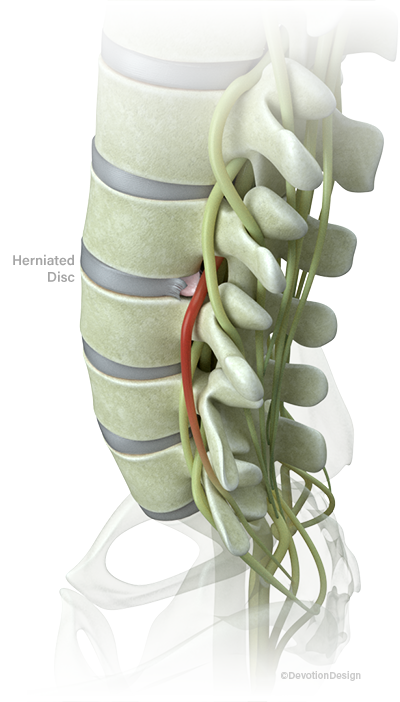
Intervertebral discs are positioned between the vertebrae in the spine. These discs help allow movement, create spacing between vertebrae, and act as shock absorbers. The outside of each disc is made of strong cartilage-like tissue, while the center contains a softer gel-like material.
Trauma, repetitive stress, poor posture, age-related wear, and disc dehydration may contribute to herniated discs, bulging discs, slipped discs, or disc irritation. These conditions may place pressure on nearby nerves and contribute to back pain, neck pain, sciatica, numbness, tingling, or weakness.
Some patients with disc-related neck or back symptoms may qualify for non-surgical spinal decompression therapy. Spinal decompression is designed to gently reduce pressure on spinal discs and surrounding nerves. When appropriate, it may be used with other therapies to support pain relief, improved mobility, and better function.
Headaches can have many causes. Some headaches may be associated with neck tension, posture issues, stress, restricted cervical movement, or irritation of muscles and joints in the upper neck and shoulders.
Chiropractic care may help patients whose headaches are related to musculoskeletal tension or restricted neck motion. A proper examination can help determine whether chiropractic care may be appropriate or whether another type of evaluation is needed.
Whiplash is a common injury associated with auto accidents. It can occur when the head and neck are forced rapidly backward and forward, placing stress on muscles, ligaments, joints, and soft tissues of the neck.
Symptoms of whiplash may include neck pain, stiffness, headaches, shoulder pain, upper back discomfort, dizziness, reduced range of motion, and muscle spasms. Some symptoms may appear right away, while others may develop hours or days later.
Early evaluation may help identify accident-related injuries and determine appropriate treatment options. Chiropractic care may be part of a non-surgical care plan for whiplash-related neck pain and stiffness when appropriate.
Arthritis is commonly associated with wear and tear affecting the cartilage and joints. It may contribute to pain, stiffness, swelling, reduced mobility, and difficulty performing daily activities. Common areas affected include the knees, hips, back, neck, hands, and wrists.
Chiropractic care does not cure arthritis, but it may help support joint mobility, reduce stiffness, and improve movement patterns. For some patients, conservative care can be part of a broader plan to stay active and manage musculoskeletal discomfort.
Carpal tunnel syndrome is commonly associated with repetitive hand and wrist use. Symptoms may include pain, numbness, tingling, weakness, or burning sensations in the hand or fingers.
Because symptoms in the hands and wrists may also be related to the neck, shoulder, elbow, or wrist mechanics, a chiropractic evaluation may help identify contributing musculoskeletal factors. Treatment recommendations depend on the source and severity of symptoms.
Some patients choose chiropractic care not only for pain relief, but also for ongoing mobility and wellness support. Regular chiropractic visits may help support joint movement, posture awareness, flexibility, and overall musculoskeletal function.
Wellness care is individualized. Your recommendations will depend on your condition, activity level, treatment goals, and response to care.
Fibromyalgia is a complex condition that may involve widespread pain, fatigue, sleep difficulties, headaches, and sensitivity throughout the body. It can require care from multiple health professionals depending on the patient’s symptoms and health history.
Some individuals with fibromyalgia seek chiropractic care for musculoskeletal discomfort, stiffness, and mobility limitations. Results vary from patient to patient, and chiropractic care should be considered as part of a broader health discussion with appropriate providers.
Joint dysfunction occurs when a joint becomes stiff or does not move through its normal range of motion. It may be caused by injury, poor posture, repetitive stress, muscle imbalance, underuse, overuse, or compensating for pain in another area.
Joint dysfunction may contribute to pain, stiffness, muscle tension, and altered movement patterns. Chiropractic care may help improve joint mobility and reduce mechanical stress when appropriate.
One common example is sacroiliac joint dysfunction, which occurs where the base of the spine meets the pelvis. This condition may contribute to low back pain and can sometimes feel similar to sciatica or disc-related pain.
Sciatica refers to symptoms related to irritation of the sciatic nerve. It may cause pain, numbness, tingling, or weakness that travels from the lower back into the buttock, hip, leg, or foot.
Sciatica may be associated with disc irritation, spinal joint restriction, muscle spasm, inflammation, or other mechanical factors. A proper evaluation can help identify the likely source of symptoms and determine whether chiropractic care, spinal decompression, or another non-surgical treatment option may be appropriate.
Patients often seek chiropractic care for neck pain, back pain, headaches, sciatica, whiplash, joint pain, stiffness, posture-related discomfort, and mobility limitations.
Some headaches may be associated with neck tension, posture problems, or restricted cervical movement. A chiropractic evaluation can help determine whether musculoskeletal factors may be contributing.
Sciatica refers to symptoms caused by irritation of the sciatic nerve, often resulting in pain, numbness, tingling, or weakness that may travel from the lower back into the leg.
No. Chiropractic care does not cure arthritis, but it may help support joint mobility, reduce stiffness, and improve function for some patients.
Cape Spine & Disc Therapy Center is located at 1540 Savannah Rd. Ste. B, Lewes, DE 19958. Call 302-644-2473 to request a consultation.