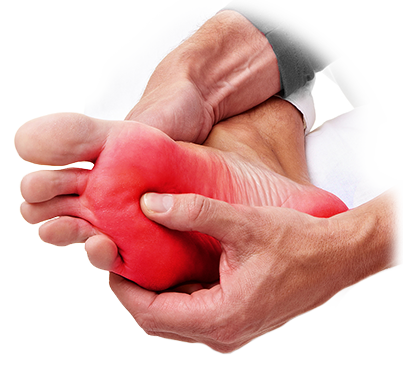
Peripheral neuropathy can affect sensation, balance, comfort, sleep, and confidence with daily movement. Patients often describe symptoms such as numbness, tingling, burning pain, sharp electrical sensations, muscle cramping, pins and needles, sensitivity to touch, or difficulty walking comfortably.
Cape Spine & Disc Therapy Center provides non-surgical neuropathy care for patients from Lewes, Rehoboth Beach, Milton, Georgetown, and surrounding Sussex County communities. Patients experiencing numbness, tingling, burning sensations, balance problems, foot pain, nerve discomfort, or diabetic neuropathy often seek evaluation to determine appropriate treatment options.
Treatment approaches may help improve comfort, function, circulation, balance, mobility, and quality of life for some patients suffering from neuropathy symptoms. Recommendations depend on your health history, symptoms, examination findings, and treatment goals.
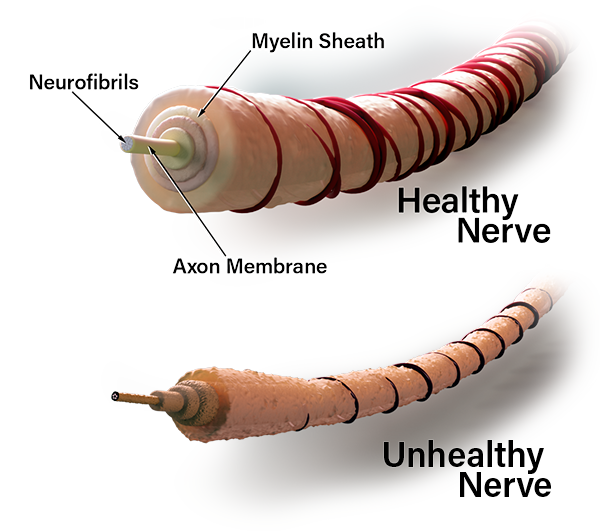
Neuropathy is a condition involving damage or impairment of nerves. Peripheral neuropathy affects nerves outside the brain and spinal cord, often in the feet, legs, hands, or arms. Symptoms may include numbness, tingling, burning, aching, cramping, weakness, sensitivity, balance problems, and altered sensation.
Neuropathy may result from traumatic injuries, infections, metabolic problems, circulation issues, exposure to toxins, certain medications, autoimmune conditions, and other health concerns. One of the most common causes is diabetes.
Poor blood circulation may also contribute to neuropathy symptoms. People with diabetes can be especially susceptible to neuropathy because high blood sugar levels may affect small blood vessels and nerves over time.
Our goal is to help patients improve comfort, mobility, balance, function, sleep quality, and overall quality of life. For some patients, non-surgical neuropathy care may help reduce discomfort and support improved confidence with daily activities.
Peripheral neuropathy is a medical term that describes problems that occur when peripheral nerve endings are damaged or impaired. These nerves help send signals between the body and the central nervous system. When those signals are disrupted, patients may experience pain, numbness, tingling, burning, weakness, or changes in balance and coordination.
Early evaluation may improve the range of treatment options available. If you have been diagnosed with neuropathy or are experiencing symptoms that may be related to neuropathy, contact Cape Spine & Disc Therapy Center to schedule a consultation.
It is not always easy to identify the exact cause of peripheral neuropathy. A number of factors may contribute. Please call our clinic to learn whether our treatment approach may be appropriate for your condition.

Diabetes is one of the most common causes of peripheral neuropathy and can affect sensory, motor, and autonomic nerves.

Some patients undergoing chemotherapy may develop neuropathy symptoms during or after treatment.

Neuropathy symptoms may occur after injury, trauma, nerve irritation, or pressure affecting nerves in the legs, feet, arms, or hands.

Poor circulation may contribute to nerve-related symptoms, foot discomfort, and reduced tissue health.

Long-term excessive alcohol use may contribute to nerve damage and peripheral neuropathy symptoms.

Some patients with nerve discomfort may also report restless legs symptoms, cramping, and unpleasant sensations in the legs.

Autoimmune disease, kidney disease, liver disease, thyroid conditions, and certain viral or bacterial infections may contribute to peripheral neuropathy.
At Cape Spine & Disc Therapy Center, neuropathy care may include low level light therapy, laser therapy, vibrational therapy, nutritional support recommendations, and other conservative strategies based on the patient’s condition and goals.
Light and laser-based therapies may help support circulation, nerve function, tissue recovery, and symptom management in some patients. Results vary, and not every patient is a candidate. A consultation can help determine whether this approach may be appropriate for your condition.
For patients dealing with inflammation, joint pain, or soft tissue discomfort along with neuropathy symptoms, we may also discuss related non-surgical options such as Class IV Laser Therapy or Arthritis & Joint Pain Therapy.
Peripheral neuropathy occurs when nerves outside the brain and spinal cord become damaged or impaired. It may cause numbness, tingling, burning sensations, pain, weakness, balance problems, or altered sensation in the hands or feet.
Common neuropathy symptoms may include numbness, tingling, burning pain, sharp electrical pain, muscle cramping, balance problems, difficulty walking, sensitivity to touch, and pins-and-needles sensations.
Yes. Diabetes is one of the most common causes of peripheral neuropathy. High blood sugar may damage small blood vessels and nerves over time.
Yes. Reduced sensation in the feet may affect balance, walking ability, coordination, and confidence with daily movement.
Cape Spine & Disc Therapy Center is located at 1540 Savannah Rd. Ste. B, Lewes, DE 19958. Call 302-644-2473 to request a consultation.