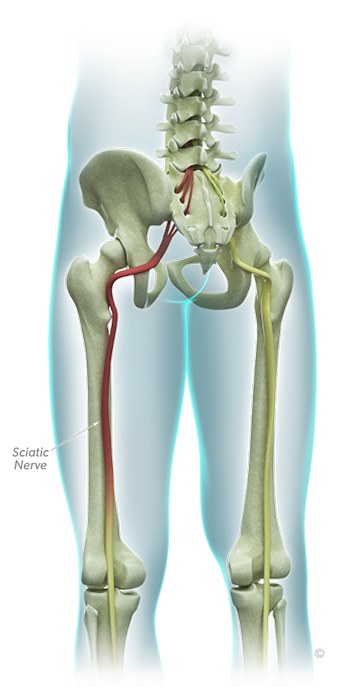
Sciatica refers to pain or symptoms related to irritation, compression, or inflammation of the sciatic nerve. The sciatic nerve is the longest nerve in the body. It begins in the lower back, travels through the hips and buttocks, and continues down each leg.
Sciatica often develops when a nerve root in the lower back becomes irritated. One common cause is a herniated or bulging disc that places pressure on a nerve root. Other possible causes include degenerative disc disease, spinal stenosis, spondylolisthesis, muscle tension, or irritation near the pelvis or hip.
Sciatica symptoms vary from person to person. Some patients describe the pain as sharp, shooting, or electric-like. Others describe it as a dull ache, burning sensation, numbness, tingling, or weakness that travels into the buttock, leg, calf, or foot.
Although the cause of sciatica often begins in the lower back, the pain is commonly felt primarily in one leg. Symptoms may worsen when sitting, bending, lifting, standing for long periods, walking, coughing, or sneezing.
Sciatica is a symptom, not a diagnosis by itself. The underlying cause must be identified before the right care plan can be recommended. Common causes of sciatic nerve pain may include:
When you are in pain, getting the right evaluation and care plan is important. At Cape Spine & Disc Therapy Center, we focus on non-surgical, drug-free treatment options designed around your specific sciatic nerve condition.
Your treatment plan may include non-surgical spinal decompression, chiropractic care, core strengthening recommendations, Class IV laser therapy, mobility work, and other conservative therapies depending on your condition.
Our goal is to help address the underlying factors contributing to sciatic nerve pain so you can improve comfort, mobility, sleep quality, and daily function.
Cape Spine & Disc Therapy Center provides non-surgical treatment options for patients suffering from sciatic nerve pain throughout Lewes, Rehoboth Beach, Milton, Georgetown, and surrounding Sussex County communities.
If sciatica is affecting your ability to work, walk, sit, sleep, drive, or enjoy normal daily activities, call 302-644-2473 to request a consultation.
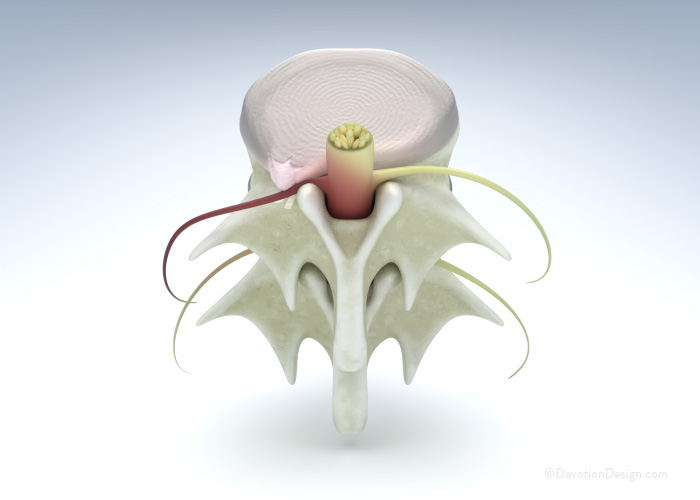
A herniated disc occurs when the soft inner material of a spinal disc pushes through a weakened or torn outer layer. In the lower back, this may irritate a nerve root and contribute to sciatica.
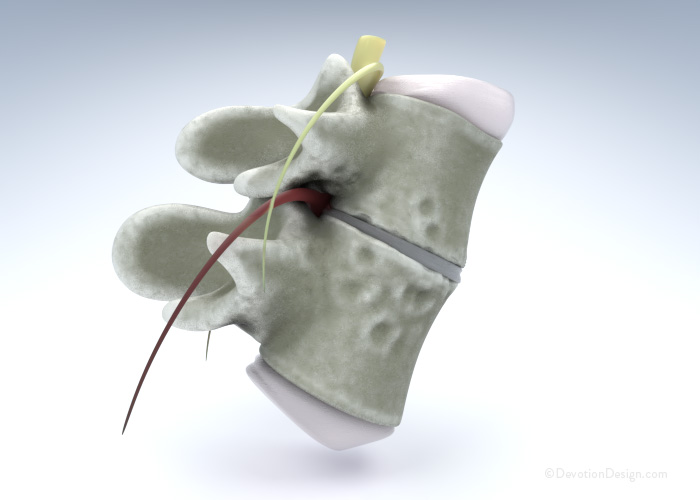
Degenerative disc changes may reduce disc height and narrow nerve spaces. This can contribute to lower back pain, stiffness, and irritation of nerves related to sciatica.
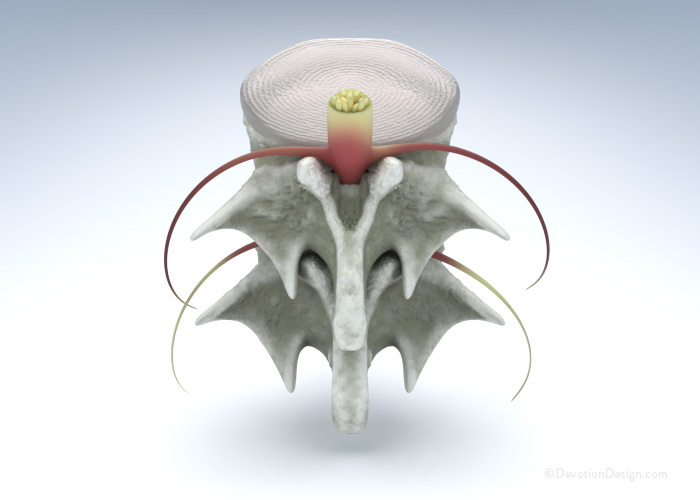
Spinal stenosis is narrowing of the spinal canal or nerve passageways. When this narrowing affects lower back nerves, it may contribute to sciatic nerve symptoms.
Many patients seek non-surgical, drug-free options before considering stronger medications or invasive procedures.
Sciatica is commonly caused by irritation or compression of the sciatic nerve. Possible causes include herniated discs, bulging discs, degenerative disc disease, spinal stenosis, spondylolisthesis, muscle tension, or other lower back conditions.
Sciatica pain may feel sharp, shooting, burning, electric-like, dull, aching, or radiating. Symptoms may travel from the lower back into the buttock, hip, leg, calf, or foot.
Yes. A herniated or bulging disc in the lower back may irritate or compress a nerve root that contributes to sciatic nerve pain.
Many patients explore conservative, non-surgical treatment options for sciatica before considering surgery. Treatment recommendations depend on the cause, severity, symptoms, and health history.
You should seek evaluation if pain lasts more than a few days, worsens, travels into the leg, causes numbness or weakness, affects walking, or interferes with sleep and daily activities.
Cape Spine & Disc Therapy Center is located at 1540 Savannah Rd. Ste. B, Lewes, DE 19958.