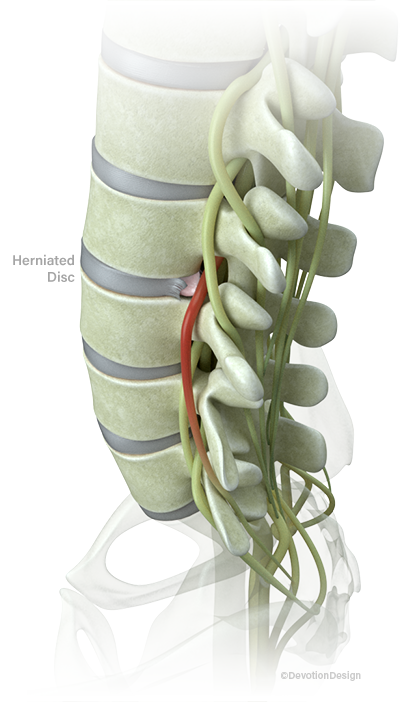
A disc herniation is an injury to the cushioning and connective tissue between vertebrae. It may be caused by excessive strain, repetitive stress, trauma to the spine, or age-related disc changes. A herniated disc may result in back pain, neck pain, radiating pain, numbness, tingling, burning sensations, or weakness in different parts of the body.
Most herniated discs occur in the lower back, although they can also occur in the neck. Where symptoms are felt depends on the location of the herniation and whether the affected disc is irritating or compressing a nearby nerve. In many cases, a herniated or bulging disc may cause pain on one side of the body.
The pain caused by a herniated or bulging disc is often related to inflammation or pressure affecting a surrounding nerve in the spine.
If the herniated disc is in the lower back, symptoms may be felt in the buttocks, thigh, calf, or foot. If the herniated disc is in the neck, symptoms may be felt in the shoulder, arm, hand, or fingers. Pain is often described as sharp, burning, aching, or radiating and may range from mild to severe.
Herniated discs may also cause numbness or tingling in the area served by the affected nerve. Some patients also experience muscle weakness, reduced mobility, stiffness, or difficulty sitting, standing, walking, lifting, or sleeping comfortably.
A bulging disc is different from a herniated disc. With a bulging disc, the outer layers of the disc are usually still intact, but the disc extends outward when under pressure. A herniated disc occurs when the soft inner material pushes through a tear or weakened area in the outer disc layer.
Both bulging and herniated discs may irritate nearby nerves and contribute to symptoms such as back pain, neck pain, sciatica, numbness, tingling, or radiating pain.
Cape Spine & Disc Therapy Center provides non-surgical treatment options for patients suffering from herniated discs, bulging discs, sciatica, and related back or neck pain. Our approach is designed to help reduce mechanical stress on affected spinal structures, improve mobility, and support better function.
Treatment recommendations depend on your symptoms, health history, diagnosis, and examination findings. Depending on your condition, your care plan may include spinal decompression therapy, chiropractic care, therapeutic exercise recommendations, soft tissue support, or other conservative options.
If you are experiencing recurrent back pain, neck pain, sciatica, or nerve-related symptoms and believe you may have a herniated or bulging disc, contact Cape Spine & Disc Therapy Center for a consultation.
Cape Spine & Disc Therapy Center helps patients from Lewes, Rehoboth Beach, Milton, Georgetown, and surrounding Sussex County communities who are suffering from herniated discs, bulging discs, sciatica, chronic back pain, and nerve-related symptoms.
Our team provides non-surgical treatment options designed to help reduce pain, improve mobility, and support long-term spinal health. We work with patients who are looking for alternatives to surgery or long-term medication use whenever conservative care is appropriate.
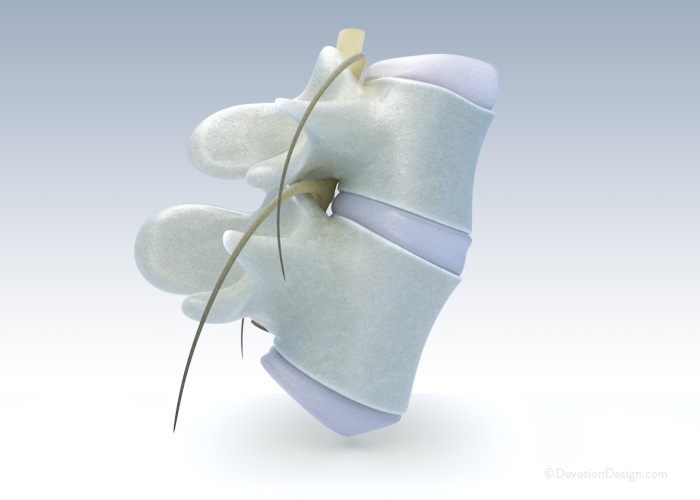
An intervertebral disc lies between adjacent vertebrae in the spinal column. Each disc allows slight movement, helps maintain spacing between vertebrae, and acts as a shock absorber for the spine.
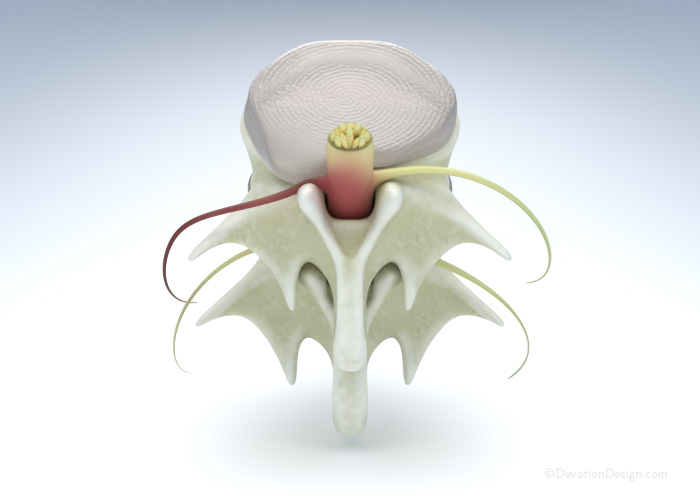
A bulging disc occurs when the outer layers of an intervertebral disc remain intact but extend outward when the disc is under pressure. This may irritate nearby spinal nerves.
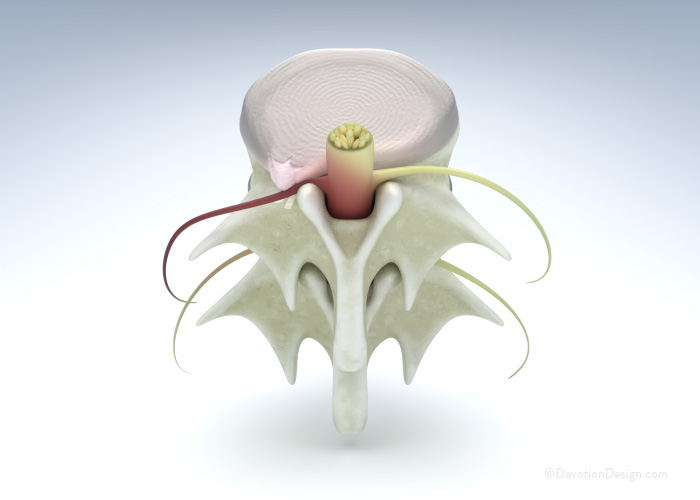
When a tear in the outer fibrous ring of an intervertebral disc allows the soft, jelly-like center to push outward, the disc is considered herniated.
Many patients seek non-surgical, drug-free options before considering stronger medications or invasive procedures.
A herniated disc occurs when the soft center of a spinal disc pushes through a tear in the outer layer and may irritate nearby nerves.
A herniated disc may cause back pain, neck pain, radiating arm or leg pain, numbness, tingling, burning sensations, or muscle weakness depending on the location of the affected disc.
Yes. A herniated disc in the lower back may contribute to sciatica symptoms, including pain, numbness, tingling, or weakness extending into the leg.
Many patients explore conservative treatment options before considering surgery. Treatment recommendations depend on the severity of symptoms, diagnosis, and overall health history.
Cape Spine & Disc Therapy Center is located at 1540 Savannah Rd. Ste. B, Lewes, DE 19958. Call 302-644-2473 to request a consultation.